Thursday, 5 February 2015

If You Want To Loose 10 Pounds Without Workout, Try These 8 Tips.


This is no trick or jock, a new research has uncovered some easy ways to loose 100 calories or more from your diet without loosing any of the food flavors. 100 calories less per day does sound a bit less than expected if yout goal is to loose 10 pounds but, shaving off 100 calories a day could help you trim 10 or more pounds a year—even if you never set foot in the gym. So to be able to reach this, use these smart strategies to your routine:

1. Dim the lights.

A recent study from Cornell University says the secret to eating less—and feeling more satisfied with what you do eat—could be as simple as some mood lighting. People who ate a meal under soft, warm lighting consumed 175 fewer calories, and finished 18% less of the food on their plates, than those who dined in brightly lit places. Those in the darker rooms also rated food as more enjoyable than the other group. Scientists think that’s because the harsh fluorescent lights commonly found in fast-food restaurants may create a psychological need to rush through meals and eat more. Consider this your chance to actually use those candlesticks you got for your wedding ages ago

 2. Be a straight shooter.


They might look stylish, but swanky, curved drinking glasses on your table could lead to extra weight. A British study found that people consumed 60% more alcohol, sugary sodas, and juices if the glass they drank from was curvy, rather than a straight tumbler. The researchers speculate that people drink faster from the curvy glasses because it’s harder to tell when you’re at the halfway point, meaning you’re more likely to reach for another drink sooner and end up consuming more.

 3. Turn in earlier.

The research is pretty definitive on this one: Being short on sleep makes you more likely to overeat. One study from the Mayo Clinic shows getting less than 6½ hours of sleep a night can lead to consuming as many as 500 extra daily calories. “Sleep deprivation can raise levels of appetite hormones like ghrelin,” says Manfred Hallschmid, PhD, a researcher from University of Tübingen who studies sleep and calorie consumption. And surging levels of ghrerlin, the hormone that revs up your appetite, is bad news for your willpower.

4. Don’t say, “I can’t.”

Whether you’re trying to sidestep a fast-food drive thru or Thanksgiving leftovers, don’t tell yourself what you can’t eat. Instead, tell yourself you “don’t” eat it. In a recent study, when researchers divided a group of people into “can’t eats” and “don’t eats”, 64% of those in the “don’t” group passed up a candy bar in favor of a healthier granola bar—but only 30% of the “can’t” group chose the healthier snack. “Can’t” sounds more like punishment than being healthy, creating a sense of self-deprivation that can tank your motivation. On the other hand, reminding yourself you “don’t” eat certain foods feels more empowering.

5. Think thin.

The way you think about food and your body can determine your success at sticking to a healthy diet. Over a 10-year span, 59% of women who started out with an average body mass index of 20 but thought they were overweight, wound up packing on weight and watching their BMI swell to more than 25. That weight gain likely happened because of a self-fulfilling prophecy, says Susan Albers, psychologist at The Cleveland Clinic and the author of Eating Mindfully and 50 Ways to Soothe Yourself Without Food. “Your mindset is incredibly important in giving up or getting on track with your weight,” she says. “So if you think you are not overweight, regardless of your actual weight, you will act in ways that lead you to what you already believe.”

6. Stop staring at sugar.

To help you keep sugar cravings in check, a recent study says you should look the other way when you see pictures of high-fat, high-calorie, or sugary foods. That’s because brain scans have shown that ogling pictures of high-calorie treats stimulates parts of the brain that control hunger and the reward center, says Kathleen Page, MD, assistant professor of medicine at USC and the study’s lead author. Bottom line: maybe your Pinterest board of cupcakes isn’t the best idea.

7. Wet your whistle.

You’re more likely to crave veggies than greasy French fries, chips, or other high-fat foods if you pair a meal with water instead of caloric beverages. Researchers at the University of Oregon say that food-drink pairings can influence the type of food choices we make and the amount of calories we eat. In the study, adults who paired a meal with water were more likely to eat their vegetables and make other healthy food choices than if they sipped on soda.

8. Look forward to eating.
 
Fantasizing about lunch? Go with that. Hallschmid says anticipating a meal can actually lower your body’s levels of ghrelin. In a study he conducted, he found that thinking about a meal beforehand helps reign in ghrelin levels, helping people consume fewer calories during a meal. “Looking forward to eating could have a positive effect on food intake control because it leads to feeling full sooner, and sustaining that feeling of full so you don’t seek out high-calorie snacks,” says he says.








9 Ways to Live Longer

Live healthy, live longer

Making just a few changes in your lifestyle can help you live longer.

A recent study found that four bad behaviors—smoking, drinking too much alcohol, not exercising, and not eating enough fruits and veggies—can hustle you into an early grave, and, in effect, age you by as many as 12 years.

Fortunately, you can do something to correct these and other unhealthy behaviors. Adopt the following nine habits to keep your body looking and feeling young.

1. Don't overeat

If you want to live to 100, leaving a little bit of food on your plate may be a good idea. Author Dan Buettner, who studies longevity around the world, found that the oldest Japanese people stop eating when they are feeling only about 80% full.

St. Louis University researchers have confirmed that eating less helps you age slower; in a 2008 study they found that limiting calories lowered production of T3, a thyroid hormone that slows metabolism—and speeds up the aging process.

2. Get busy

Having satisfying sex two to three times per week can add as many as three years to your life. Getting busy can burn an impressive amount of calories—sometimes as much as running for 30 minutes. (Which would you rather do?)

Regular sex may also lower your blood pressure, improve your sleep, boost your immunity, and protect your heart.


3. Turn off the TV

Too much time in front of the boob tube can take a serious toll on your health. In fact, a 2010 study found that people who watched four or more hours a day were 46% more likely to die from any cause than people who watched less than two hours a day.

Even cutting back a little can help; each additional hour you watch increases your overall risk of dying by 11% and dying from heart disease by 18%.


4. Stay out of the sun


Avoiding too much sun can head off skin cancer, and it can also keep you looking young by preventing wrinkles, fine lines, and saggy skin.

It’s never too early—or too late—to add sunscreen to your daily skin-care regimen (look for an SPF of 30 or higher). And don’t focus only on your face. Sun damage spots and splotches on your chest and neck will also make you appear older.


5. Reach out

Research shows that you’re at greater risk of heart disease without a strong network of friends and family. Loneliness can cause inflammation, and in otherwise healthy people it can be just as dangerous as having high cholesterol or even smoking.

Loneliness seems to pose the greatest risk for elderly people, who are also prone to depression.


6. Drink in moderation

Women who have two or more drinks a day and men who have three or more may run into detrimental effects ranging from weight gain to relationship problems. But in smaller quantities, alcohol can actually be good for you.

A 2010 study in the Journal of the American College of Cardiology linked light drinking (defined as one drink a day for women and two for men) to significant heart benefits.


7. Eat fruits and vegetables

Getting fewer than three servings of fruits and vegetables a day can eat away at your health. Nutritional powerhouses filled with fiber and vitamins, fruits and veggies can lower your risk of heart disease by 76% and may even play a role in decreasing your risk of breast cancer.

As an added bonus, the inflammation-fighting and circulation-boosting powers of the antioxidants in fruits and veggies can banish wrinkles.

8. Focus on fitness

Daily exercise may be the closest thing we have to a fountain of youth. A 2008 study found that regular high-intensity exercise (such as running) can add up to four years to your life, which isn’t surprising given the positive effects working out has on your heart, mind, and metabolism.

Even moderate exercise—a quick, 30-minute walk each day, for example—can lower your risk of heart problems.


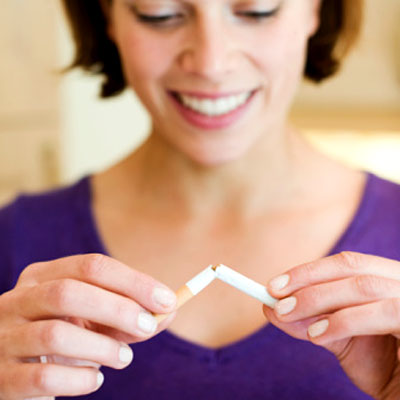
9. Don’t smoke

Quitting smoking is perhaps the single most important thing you can do for your health—and your life span. A study published in the American Journal of Public Health found that women who quit smoking by age 35 add roughly six to eight years to their lives.

It’s never too late to kick the habit. Quitting can slow disease and increase survival odds even in smokers who have already caused significant damage to their lungs, like those with early lung cancer or COPD.


Wednesday, 4 February 2015

Anti-cancer diet!

Every year on 4 February, the entire global community comes together to celebrate 'World Cancer Day' and promote ways to reduce the global burden of cancer. This year we've decided to kick start the cause by bringing you key tips and guides to empower you to make healthy choices and thus reduce the risk of cancer.

Whether you have a history of cancer in your family or you've been diagnosed with the disease, there are certain lifestyle choices, which includes your diet, that can make a huge difference in helping you prevent cancer. "What you eat and what you don't" has the potential to adversely affect your health. You may not be aware some foods can actually increase the risk of cancer, while others support your body and strengthen your immune system. Research shows that as many as one-third of all cancer deaths are linked to diet and physical activity. A case in point start making smart dietary choices and reduce your risk for cancer. Follow these healthy and effective anti-cancer diet approved by doctors and experts around the globe.

1) Focus on cancer-fighting fruits and vegetables

Diets high in fruit, like oranges, berries, peas, bell peppers, dark leafy greens and other foods high in vitamin C may lower the risk of stomach, lung and esophageal cancer while vegetables containing carotenoids such as carrots, brussels sprouts and squash, help reduce the risk of lung, mouth, pharynx, and larynx cancers. Diets high in non-starchy vegetables, such as broccoli, spinach, and beans, is considered effective for stomach and esophageal cancer. Foods high in lycopene, such as tomatoes, guava, and watermelon, may lower the risk of prostate cancer. The less processed the better.

2) Include fiber in your diet

Stock up on fiber-rich foods. Fiber plays a key role in cleaning your digestive system. It helps keep food moving through your digestive tract and it also moves cancer-causing compounds out before they can create any trouble. A fiber-rich diet may help prevent colorectal cancer and other digestive system cancers, including stomach, mouth, and pharynx.

Found in fruits, vegetables and whole grains, an ideal fiber-rich diet may include brown rice, whole-grain bread, popcorn, raisin bran, barley, oatmeal, pear, banana, apple, carrots, celery, bell peppers, raspberries, apples, strawberry, blackberry, blueberry, mango, apricots, citrus fruits, dried fruit, prunes, raisins, legumes, lentils, black beans, split peas, lima beans, baked beans, kidney beans, pinto, chick peas, navy beans, black-eyed peas, broccoli, spinach, dark green leafy vegetables, peas, artichokes, corn, tomatoes, brussels sprouts.

3) Water 

Drink plenty of water. It is essential for fighting cancer. It stimulates the immune system, removes waste and toxins, and transports nutrients to all of your organs.

4) Limit alcohol

That includes wine too. Alcohol consumption has been linked to increased risk of mouth, esophagus, pharynx, larynx, liver and breast cancers. Therefore it is best advised to keep a check on your alcohol intake. Men should limit to no more than two drinks a day while women should keep it at one drink per day, says Dr Archit Pandit, Consultant, Max Super Speciality Hospital.

5) Alternate options for drinks

Doctors would advice you to opt for tea, coffee & less fruit juice.

6) Cut down on meat

We know you love meat, but how will you relish it when you don't even have a good health? That's why experts suggests you eat less of the red meat and cut down on processed meat. Too much of red meat has the potential to increase your cancer risk. Choose fish, poultry, or beans instead of beef, pork or lamb. When you eat meat, choose lean cuts and eat smaller portions. Prepare meat by baking, broiling, or poaching at lower temperatures, rather than by frying in fat or broiling/grilling at excessively high temperatures. FYI, research shows that vegetarians are about 50 percent less likely to develop cancer than those who eat meat.

7) Be careful of fats

Diet high in saturated fats have been linked to increased risk for many types of cancer. But cutting down on fat entirely is not the answer, either. Because there are some types of fat that actually help protect against cancer. Saturated fats and trans fat are the fats that are damaging. While saturated fats are found mainly in animal products such as red meat, whole milk dairy products, and eggs. Trans fats are found in liquid vegetable oils.

Choose olive and canola oil over the regular vegetable oil. Avoid anything with hydrogenated or partially hydrogenated oils.

8) Limit fast food

Fried foods and packaged foods, which are high in trans fats needs a check. Limit foods like potato chips, cookies, crackers, french fries, and doughnuts to fight the cancer.

9) Prepare your food in healthy ways

Eating healthy food is not the end of the solution. But how you prepare your so called healthy food is equally important too. The way you cook your food can either help or damage your anti-cancer efforts. When cooking vegetables, steam until just tender using a small amount of water. This preserves more of the vitamins. Overcooking vegetables removes many of the vitamins and minerals. If you do boil vegetables, use the cooking water in a soup or another dish to ensure you're getting all the vitamins.

10) Use immune-boosting herbs and spices.

To add flavor not just to your food but to your health too, use garlic, ginger, and curry powder. They have the right amount of valuable nutrients to fight cancer.

11) Eat at least some raw fruits and vegetables. 

They have the highest amounts of vitamins and minerals, although cooking some vegetables can make the vitamins more available for our body to use.


8 reasons you should eat oatmeal for breakfast

Nothing says "good morning" like a warm bowl of oatmeal. Whether it is cooked with milk or blended with fresh fruits, oats provide your body with many benefits.

Normally eaten as porridge and as an ingredient in breakfast cereals and in baked goods (oatcakes, oat cookies and oat bread, oats have become a very popular "health food". If you are not eating oatmeal for breakfast, then you're missing out on a delicious opportunity to add fiber and nutrients to your body first thing in the morning.

Here are 8 beneficial reasons why you should eat oatmeal for breakfast -

1) Weight-loss!
You will shed those extra kilos. It's backed by science. M​aking oatmeal your breakfast cereal choice could help you eat less later during the day and control weight says the research published in the Annals of Nutrition and Metabolism

2) High-fiber content
Oats are loaded in dietary fiber and provides about 4 gram of fiber per cup. Fiber is responsible for a number of health benefits, including lowering your cholesterol levels, stabilizing your blood sugar as well as keeping you feeling full longer. A serving of oatmeal each morning also helps promote regular bowel movements and prevents constipation.

3) Nutrition power house
Oatmeal is a power packed food consisting mainly of carbohydrates, with 28 per 1-cup serving. It also provides around 5 grams of protein to your diet along with 3.5 grams of fat, mostly unsaturated.

4) Stabilizes blood sugar and reduces risk of diabetes (type 2)
The high fiber and complex carbohydrates slow down the conversion of this whole food to simple sugars. The high levels of magnesium nourish the body's proper use of glucose and insulin secretion.

5) Not only does it have low-calorie magic but it stop cravings too
Oatmeal keeps you full for longer says an Australian study published in September 1995. According to the "Journal of Clinical Nutrition", "when compared to breakfast foods such as donuts, croissants, eggs, high-bran cereals and whole-grain bread, oatmeal had the highest satiety index, twice as high as white bread and 25 percent higher than eggs and high-brain cereals. and it is also totally delicious and healthy."

6) Protects against heart disease and cancer
Oatmeal, like many whole grains, contains plant lignans, which are converted by intestinal flora into mammalian lignans. One lignan, called enterolactone, is thought to protect against breast and other hormone-dependent cancers as well as heart disease.

7) Protects against heart failure
A Harvard study on 21,000 participants over 19 years showed that found that men who enjoyed a daily morning bowl of whole grain (but not refined) cereal had a 29 percent lower risk of heart failure.

8) Full Of Antioxidants
Oatmeal contains a special type of antioxidant called avenanthramide, that is known to fight off free radicals that attack high-density lipoproteins, or HDL, which is known as the good cholesterol. They also protect LDL cholesterol from oxidizing from copper, which reduces the risk of developing cardiovascular disease.

8) It tastes yummy!
Whether with milk or assorted with fruits, oatmeal is just too delicious.


Exercise with your partner to spark romance

Pamper her with flowers and chocolates for sure, but also take her to romantic indoor fitness session this Valentine's Day.

Surfset Fitness, a fun and surf-inspired workout, has introduced a special couple workout available on Feb 12-14 for all fitness enthusiastic lovebirds here.

The special V-Day workout is designed to bring couples closer by making them work together in harmony. The studio is designed to recreate the real surfing experience with romantic music and lighting.

"While dark chocolate can be a tasty source of antioxidants, exercising with your partner releases feel-good endorphins that can lead to a healthier relationship in more ways than one," Deepak Tejsinghani, managing director, Surfset Fitness India, said in a statement.

"When you work out in tandem, you share an exercise 'high' due to increased serotonin in the brain and this helps build trust with your partner," Tejsinghani added.


Improve diet to keep chronic lung disease away

Besides quitting smoking, eating a diet rich in whole grains, polyunsaturated fats and nuts can help reduce the risk of chronic lung disease, a new research has found.

Chronic obstructive pulmonary disease or COPD is an umbrella term for chronic lung diseases, such as emphysema and bronchitis, which block the airways and restrict oxygen flow around the body.

"Although efforts to prevent COPD should continue to focus on smoking cessation, these prospective findings support the importance of a healthy diet in multi-interventional programmes to prevent COPD," said the authors.

COPD is currently ranked the third leading cause of death worldwide.

Although the predominant risk factor for COPD is cigarette smoking, up to one third of COPD patients have never smoked, suggesting that other factors are involved.

So the researchers investigated the association between the Alternate Healthy Eating Index 2010 (AHEI-2010) - a measure of diet quality - and the risk of COPD.

They analysed data for more than 120,000 US men and women taking part in the Nurses' Health Study from 1984 to 2000 and the Health Professionals Follow-up Study from 1986 to 1998.

The risk of newly diagnosed COPD was one third lower in participants who ate the healthiest AHEI-2010 diet compared with those who ate the least healthy diet.

The AHEI-2010 diet score is based on 11 components, with a higher score reflecting high intakes of vegetables, whole grains, polyunsaturated fats, nuts, and long chain omega-3 fats - moderate intake of alcohol - and low intakes of red and processed meats, refined grains, and sugar sweetened drinks.


How much jogging is actually good?

Although it is well known that regular exercise and physical activity (PA) have health benefits, there is still an unanswered question: "Is it possible to have too much of a good thing?" Researchers say, a little jogging is good for your health, but too much might not be. Just an hour or two a week confers life-extension benefits, researcher contends

"The dose of running that was most favorable for reducing mortality was jogging 1 to 2.4 hours per week, with no more than three running days per week," said study researcher Jacob Marott of the Frederiksberg Hospital in Copenhagen, Denmark. The best pace was slow or average -- about 5 miles per hour, he added.

Out of a pool of about 5,000 healthy Danish adults, Marott and his colleagues followed nearly 1,100 healthy joggers and 413 sedentary people for more than 12 years.

The joggers noted their hours and frequency of jogging, and their perception of their pace.

The strenuous joggers, the investigators found, were as likely to die during that time period as the sedentary non-joggers. Light joggers and moderate joggers fared better, in that order, Marott's team found.
What is it about strenuous running that might be harmful? "We believe that long-term strenuous endurance exercise may induce pathological structural remodeling of the heart and large arteries," Marott said.
However, a U.S.-based researcher said the debate about the optimal dose of running for longevity is far from resolved.

The new study has limitations, said D.C. (Duck-chul) Lee, an assistant professor of kinesiology at Iowa State University, who co-authored an editorial accompanying the study.

In Lee's own study of 55,000 adults, including more than 13,000 runners, he found a lower risk of death over the follow-up period in joggers with the highest running time and frequency -- nearly three hours a week and at least six times a week -- compared with non-runners. It was published in 2014, also in the Journal of the American College of Cardiology.

In the Copenhagen study, joggers self-reported their pace. Even the slow joggers were getting vigorous exercise, the researchers said.

"The reported pace was not an absolute pace in miles per hours, but the subjects' own perception of pace as slow, average or fast," Marott said. He said that's more appropriate than an absolute scale when the age range is as wide as it was in their study (ages 20 to 95). In general, however, the slow or average pace was about 5 miles per hour or a 12-minute mile, and the fast pace was 7 miles per hour or about an 8-minute mile, he said.

In the United States, about 54 million people run regularly, according to background information with the study. In 2013, more than 540,000 people finished a marathon (26.2 miles), and nearly 2 million completed a half marathon.

One limitation of the current study, Lee said, is that a very small group logged the most jogging time. Just 47 joggers put in more than four hours a week, and only 80 ran more than three times a week. These small numbers could have affected the comparisons and results, Lee said.

Also, the researchers didn't look at more than 3,500 active non-joggers who exercised in other ways, Lee said. The researchers looked only at death from all causes, he said, instead of looking to see if high jogging miles and times affected certain causes of death, which could have given more specific information about potential harms.

"More [running] may be worse only in cardiovascular disease," he said. In another assessment on the effects of running and death rates, Lee's group found that death from all causes was lower in runners compared with non-runners, regardless of how much they ran, but there was a slight trend for less benefit from higher doses when compared with lower doses.

The study's good news, Lee said, is that the researchers found benefit even in jogging less than an hour a week, or even once a week, compared to not jogging at all. Perhaps this will motivate sedentary people to get moving, he said.

Although the study by Marott and colleagues found an association between light jogging and improved survival rates, it did not prove a cause-and-effect relationship.

"Basically, the study still shows it's a much better option to prescribe some form of running as a part of a healthy lifestyle and that sedentary behavior is not a prescription for long-term health and mortality," said Dave Watt, executive director of the American Running Association and the American Medical Athletic Association.